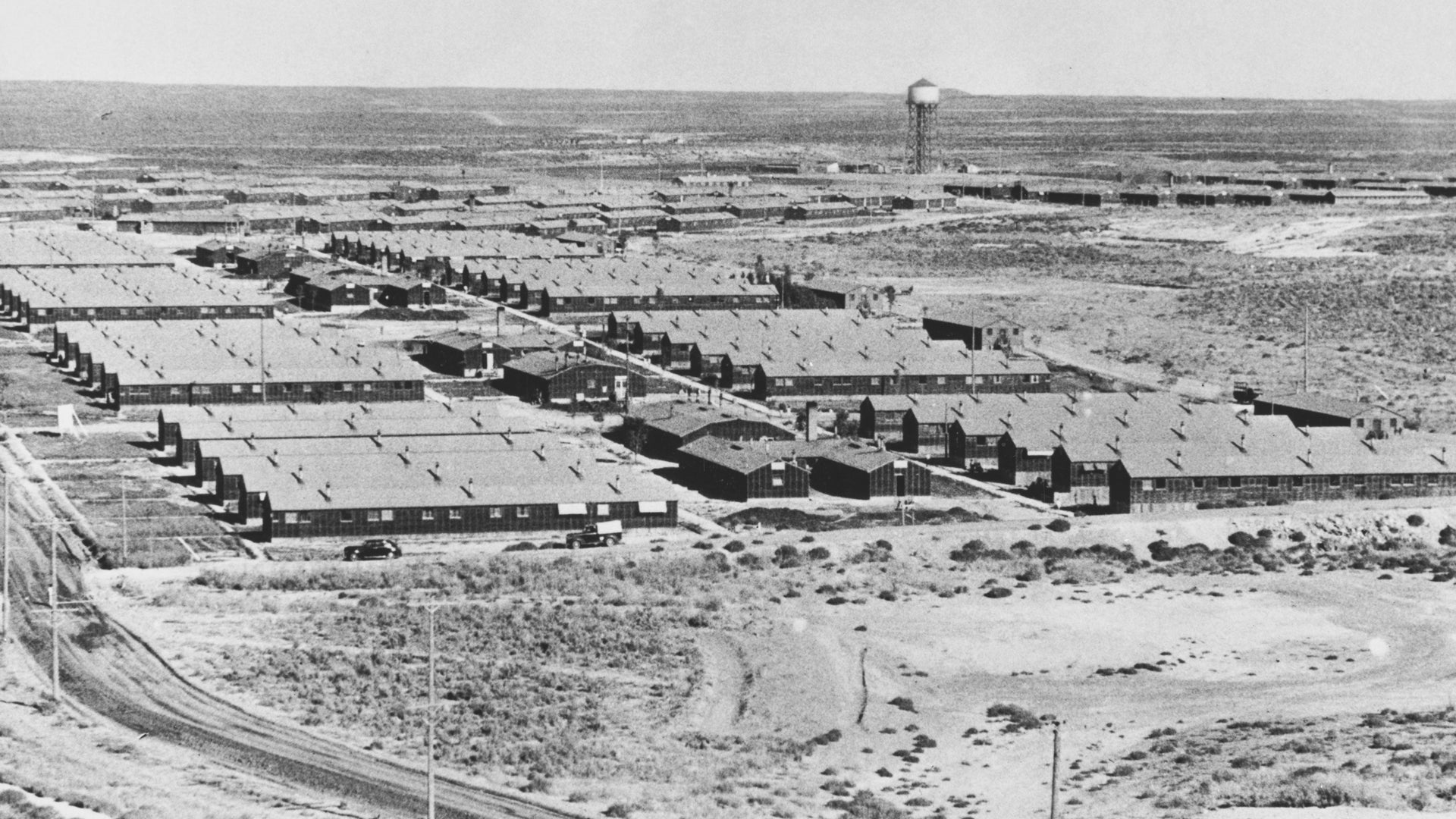
This week we discussed WWII, specifically the Japanese internment camps. I found it interesting that one lady, Clara Breed, watched over so many children and young adults that lived in these camps. Miss Breed felt the need to be a friend to them because they had done nothing wrong. The US made them outcast because of their looks, not their actions. Tetsuzo Hirasaki, a teenager that lived in the camps, gave a more realistic and harsh version of life there in his letters to Miss Breed. He explains that now that it is time for everyone to leave, they have to start all over because they were forced out of their homes, had to sell everything, and now how to furnish and buy things with little pay during an inflation. Add this on to the uncertainty of finding a job, dealing with prejudice, and relocation, many are attracted to idea of staying within government control. Tet is sorry that this has happened because he knows that they deserve better. This was very interesting to read because I thought that people would be ecstatic to leave, but its quite the opposite. These are the true effects of the war and its insightful, but also really saddening to see the truth. This helps me to understand why the United States would portray the Japanese in the way that they did. They had to cover up the way they treated people of Japanese descent, so they made them seem like the bad guys. It makes me wonder who else they’ve done this to.
Week 3: WWII Japanese Internment
Leave a Reply