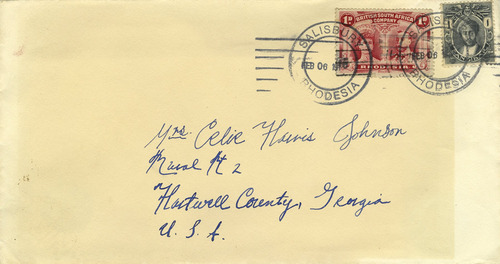
In a world saturated with polished narratives and characters that seem to know it all, epistolary writing in films emerges as a unique and intimate form of storytelling that invites viewers to feel more connected to the struggles of its characters. The letters and/or journal entries included in these films are often filled with emotion and vulnerability, helping viewers to not only feel connected to the characters, but to also have the opportunity to follow the characters on their journeys. Epistolary novels serve as a powerful narrative device that sheds light on the internal conflicts and moral dilemmas of the characters. Through the intimate and personal nature of letter writing, authors like Alice Walker in The Color Purple create a unique lens that enhances character development and explores complex themes of identity and societal challenges. The way letters are used in the film reflects Celie’s growth, the historical context of African American women, and broader themes of silence and voice, especially for marginalized groups.
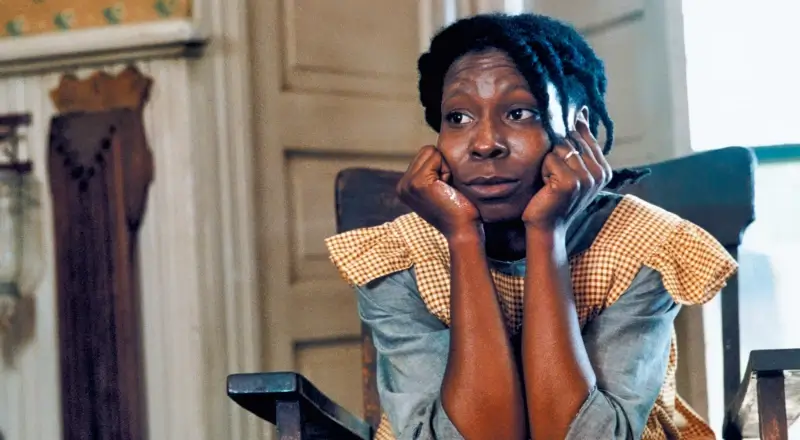
The novel and movie The Color Purple by Alice Walker is one work of art that people, especially people of color, seem to connect with. The film tells the story of an African American woman named Celie who was subjected to abuse for most of her life. As a child, she was forced to have sexual intercourse with her father, resulting in the birth of two children that she couldn’t even keep. Because Celie was forced to stay quiet about this, she is unsure of how she is expected to feel about her situation. Celie writes to God and says, “Dear God, I’m 14 years old. I’ve always been a good girl. Maybe you can give me a sign. Let me know what’s happening to me.” Unfortunately, Celie’s abuse and confusion don’t stop there. Celie is forced to marry Mr. __, a man much older than her, who initially wanted to marry someone else. Since Celie isn’t who Mr._ originally wanted as his wife, he abuses her physically and emotionally throughout their entire marriage. This destructive relationship is what separates Celie from her younger sister, Nettie. The two promise to write to each other until they are reunited, and although Celie never receives any letters from Nettie, she continues to write to her as it was her only way to express herself and escape reality. Nettie continues to write as well and says, “And how are you? Dear Sister. The years have come and gone without a single word from you. Only the sky above us do we hold in common. I look at it often as if, somehow, reflected from the immensities, I will one day find myself gazing into your eyes.”
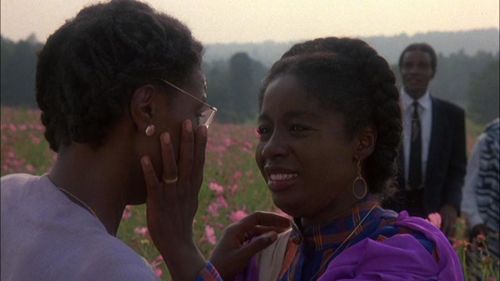
The warmth and tenderness in Nettie’s words serve as a reminder that Celie is still loved and valued, despite all that she’s gone through. Celie has often felt invisible or unworthy, but this letter from Nettie serves as a reaffirmation of her value and worth in someone else’s eyes. The fact that Nettie continues to care about her, even though they are apart, can help counteract the feelings of worthlessness and abandonment that Celie may experience. Once Celie finally receives Nettie’s letters and realizes that Mr had been hiding them from her for decades, she forms a new sense of self worth. Celie escapes her marriage, finds her purpose as a seamstress, and reconnects with Nettie and her two children.
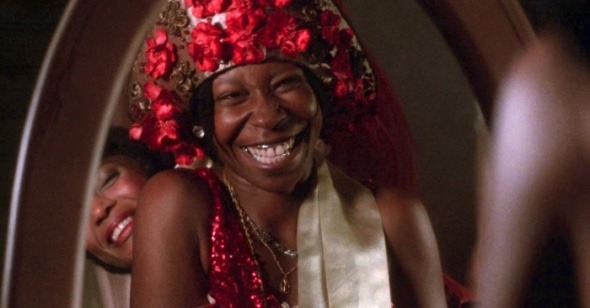
Letters play a profound role in The Color Purple, serving as a symbol of Celie’s evolving sense of identity and agency. At the start of the novel, Celie is voiceless, oppressed, and isolated. She writes letters to God as a way to process her trauma and seek some form of solace and understanding. Her writing is an attempt to make sense of her suffering and to reach out for something beyond the world of abuse and silence she inhabits. As the novel progresses, Celie’s letters evolve from being addressed to God to her sister, Nettie. Celie is no longer writing in isolation; she is now reaching out to another person who loves her and who represents a part of her past that was taken away from her by abuse and control. This shift marks a significant change in her sense of self-worth and her growing ability to communicate with others. The act of writing these letters is her first step toward self-expression, even if she doesn’t expect anyone to read them. Early on, these letters are desperate and filled with pain, but over time they become more of a tool for reflection, empowerment, and connection.

In addition to marking Celie’s personal growth, her letters also symbolize the broader struggle of African American women—and women in general—to find their voice in a world that has silenced them. During the time the story takes place, black women faced extreme racial and gender inequality, making it hard for them to express themselves or fight for their rights. Many were denied the opportunity to learn to read and write, tools that are essential for self-expression. In the beginning, Celie’s letters show her lack of power and control over her own life. But as she learns to read and write, her letters change—they become more confident, reflecting her growing sense of self-worth and independence. This shift in Celie’s writing mirrors the broader fight of African American women to be heard. More generally, the letters also represent the struggles of women everywhere, whose voices have often been ignored or marginalized. By writing about her painful experiences, Celie gives herself the permission to be heard, showing how women have historically had to fight for the right to share their stories and desires.
In The Color Purple, Celie’s letters are key to her personal growth and the larger themes of resistance, empowerment, and support. Through her writing, we see Celie change from a quiet, abused girl to a confident, independent woman who can express her feelings, stand up for what she wants, and take control of her life. Her writing becomes a way to survive and assert who she is, and it reflects the struggles of African American women, and women in general, who have fought throughout history to have their voices heard. The letters aren’t just a way to tell the story—they also highlight the power of speaking out, connecting with others, and fighting for freedom and equality. Celie’s layered, reflective mode of communication elevates the emotional impact of the story, making the characters’ experiences feel more authentic, relatable, and poignant.
Works Cited
Davenport, Lily. “Getting Away with It: Epistolary Fiction.” cincinnatireview.com, 2023, https://www.cincinnatireview.com/on-craft/getting-away-with-it-epistolary-fiction/. Accessed 6 December 2024.
Gubernatis, Catherine. “THE EPISTOLARY FORM IN TWENTIETH-CENTURY FICTION.” ohiolink.edu, 2007, https://etd.ohiolink.edu/acprod/odb_etd/ws/send_file/send?accession=osu1184950116&disposition=inline. Accessed 6 December 2024.
Jayaputra, Natasha. “The Color Purple is a thought-provoking epistolary novel.” calvinchimes.org, 2024, https://calvinchimes.org/2024/03/25/the-color-purple-is-a-thought-provoking-epistolary-novel/. Accessed 6 December 2024.
Lascelles, Amber. “The Color Purple is an emotional, joyful exploration of black womanhood in the deep south.” The Conversation, 29 January 2024, https://theconversation.com/the-color-purple-is-an-emotional-joyful-exploration-of-black-womanhood-in-the-deep-south-222102. Accessed 6 December 2024.
Monika, R.P. “Oppression to Revolution: A Transformation of Celie in The Color Purple.” Turkish Online Journal of Qualitative Inquiry, 2021, https://www.tojqi.net/index.php/journal/article/download/4279/2941/4703. Accessed 6 December 2024.
Walker, Alice. The Color Purple: A Novel. Penguin Publishing Group, 1982. Accessed 6 December 2024.
Leave a Reply